Industrial
Learn how to finance manufacturing equipment without draining working capital by matching loan and lease terms to the life of the asset.

For a manufacturer, the need for new equipment usually arrives with good news: a program win, a capacity constraint, an automation project with a clear payback. The question is not whether the machine makes sense; it is how to pay for it. Funding a press, machining center, or production line from cash or the operating line converts a converts a five-to ten-year asset into an immediate drain on liquidity, and the strain often surfaces months later, just as the new capacity is ramping. The principle is simple: the life of the financing should match the life of the asset.
What to do, and what to avoid
Match the term to the asset. Equipment that will produce for a decade or more should be financed over years, not paid for out of a single quarter’s cash flow. Term debt and lease structures preserve the operating line for what it exists to fund: payroll, materials, and receivables.
Use the full toolkit, not just a loan. Equipment term loans, finance and operating leases, and vendor programs each carry different rate, tax, and balance-sheet implications. Structures are also available for equipment at non-U.S. production facilities, such as plants in Mexico, where many domestic lenders will not lend.
Finance the whole project, not just the machine. Deposits and progress payments to the builder, rigging, installation, and tooling can represent a meaningful share of total cost, and are often paid months before the equipment produces revenue. Staged fundings and progress-payment facilities keep those outlays off the operating line.
Unlock the equipment you already own. Owned machinery is often a company’s largest untapped source of capital. Refinancing existing equipment, or a sale-leaseback of machinery or owner-occupied real estate, can fund new purchases without new pressure on working capital.
How Glengarry Capital Group helps
Glengarry Capital Group arranges equipment and specialized financing for privately held lower middle-market and middle-market companies, with particular emphasis on manufacturing, including equipment at non-U.S. production facilities such as Mexico. The firm evaluates the project’s full capital requirement, identifies the structures and lenders suited to the asset and the company’s credit profile, and manages a competitive process through closing, so the equipment strengthens the balance sheet instead of straining it.
Start a conversation
If new equipment is on the horizon, or capital is tied up in machinery you already own, contact Tom Kessel, Principal.
AUTHOR
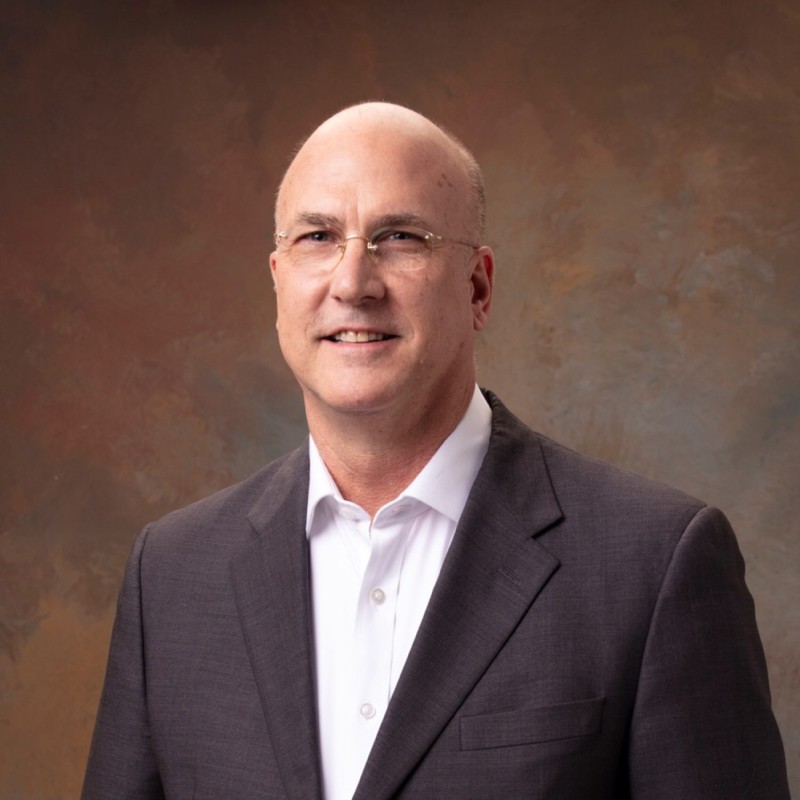
Thomas Kessel
CEO & FOUNDER